
GFV CHAMPAGNE
Why is it worth investing in a Vineyard Land Group (GFV) in Champagne?
Champagne Vineyard Land Group (GFV) in progress 🥂
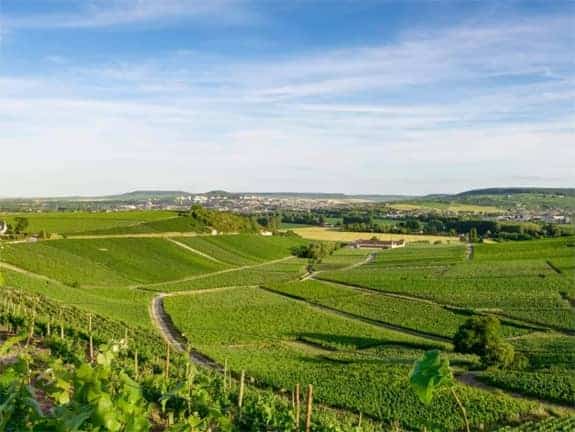 From €8,400
AOC Champagne
- Phase 2 following the success of the first operation in 2023
- Marne Valley
- A family house founded in 1953, the operator is part of the 3rd generation
- 9 bottles from the House
- Non-guaranteed yield above +4,25 % marketing fees included
 Clos
GFV Champagne
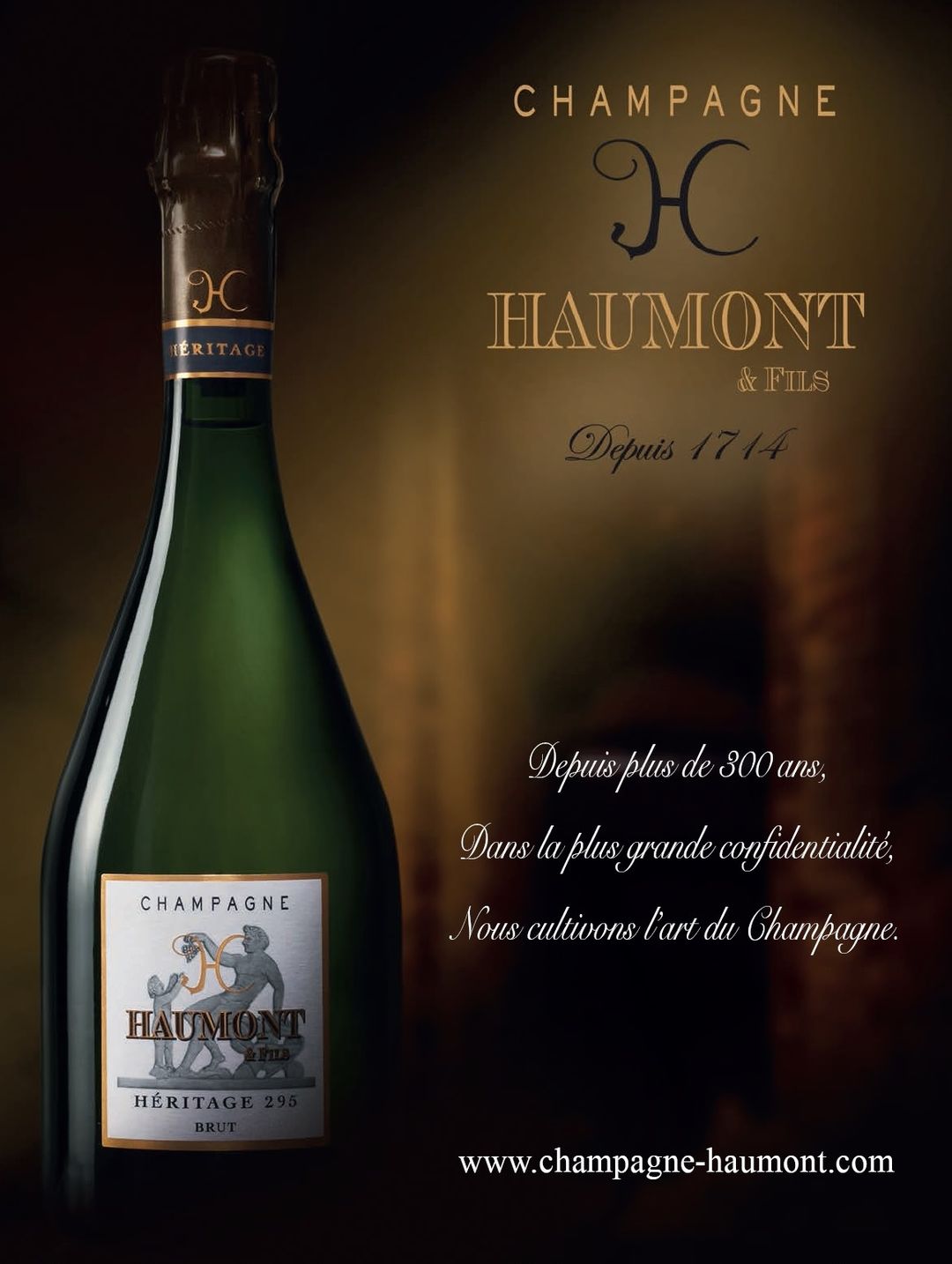
- The Haumont & Fils house has been rooted in the Vertus terroir since the early 17th century
- Vineyard classified 99% as 1er cru of the Côte des Blancs
- Only 21 shares
- Non-guaranteed yield above + 4.00% excluding structuring fees

AOC Champagne
- 94% of the grape varieties are Pinot Noir and 6% Chardonnay.
- Harvesting is done exclusively by hand
- The House's champagnes come exclusively from the first pressing
- 24 bottles from the House
- Non-guaranteed yield above +5.00% excluding marketing fees
Yield and capital not guaranteed. The winegrower may be unable to pay you in the event of a poor harvest.
Champagne production statistics 2025
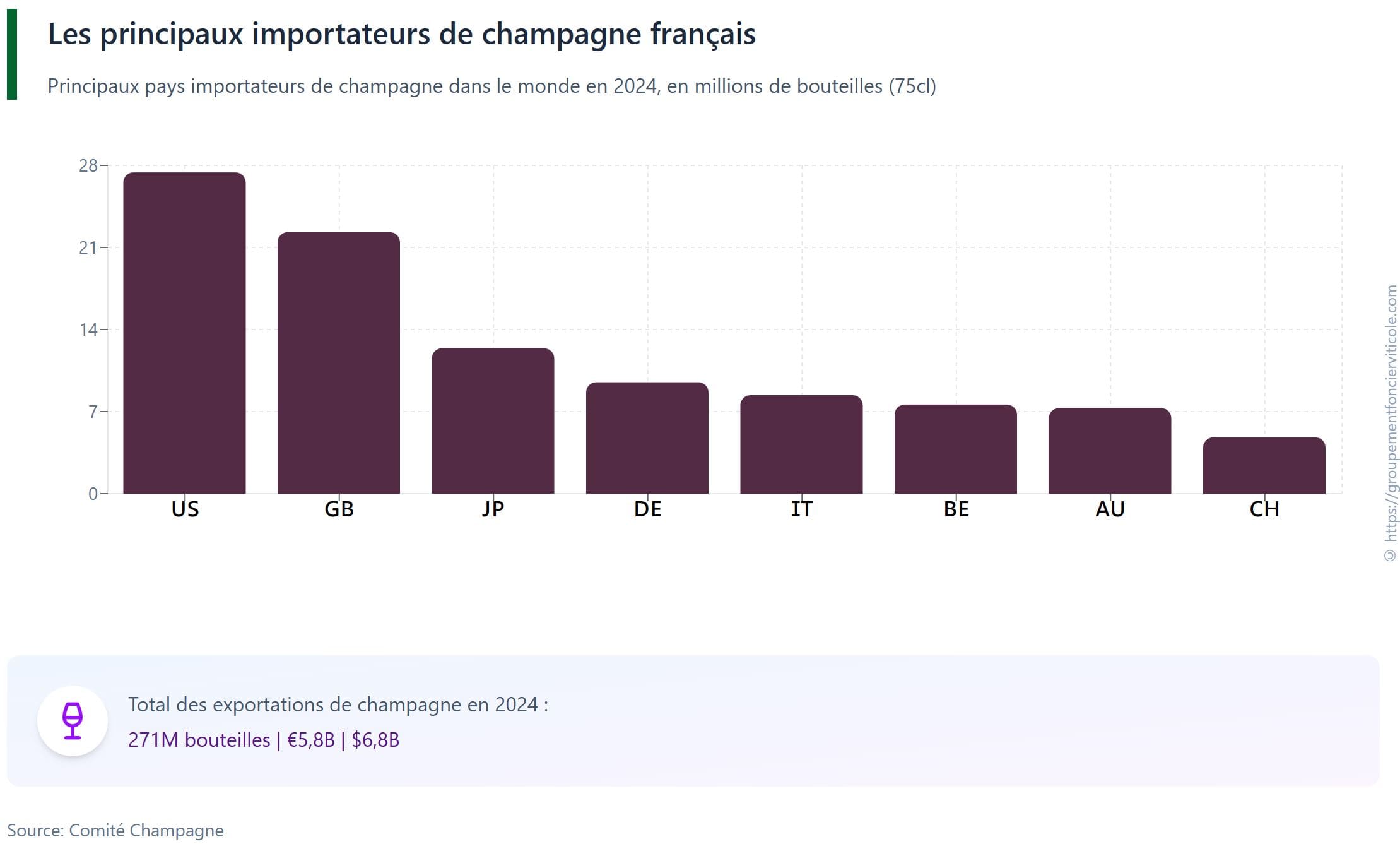
According to the latest figures published by the Champagne trade association, in 2025, 266 million bottles left the cellars, a total down 1.8%, for a turnover of around €5.2 billion, compared with €5.8 billion the previous year.
Supporting French winegrowing by buying shares in a vineyard land group is an investment idea that is gaining ground in Champagne as in many other French wine regions.
Far from conventional financial investments, this funding commitment appeals to members who are not tempted by risk.
The Champagne appellation,listed as a UNESCO World Heritage Site, and the worldwide renown of the Champagne vines target exceptional products whose prices stand well apart from other French vineyards.

CONTENTS
- HOW DOES A GFV WORK?
- WHY THE CHAMPAGNE REGION WHEN IT COMES TO INVESTING IN WINE?
- THE TAXATION OF THE GFV IN CHAMPAGNE
- OUR TV INTERVIEW ON THE B SMART CHANNEL
> The Vineyard Land Group in Champagne
A Vineyard Land Group (or GFV) is a non-trading company whose purpose is the collective ownership of a wine estate covering the vines and the real-estate properties.
Any investor can thus hold capital shares in a vineyard and take part in its development.
The GFV leases high-quality vineyards to professional Champagne winegrowers. The choice of vineyards is made according to rigorous criteria such as the location, the reputation of the Appellation or the development prospects.
GFV shares for sale
Discover the list of our wine estates currently being marketed
> How does a Champagne GFV work?
The GFV acquires the wine-growing land and investors subscribe to shares when the Group is created (or, more rarely, on the secondary market).
The minimum investment amount varies according to the Appellations and the size of the Group.lease agreements are then concluded with the Champagne winegrowers chosen for their technical and commercial expertise. They pay an annual rent.
A specialised management company takes charge of managing the wine-growing assets and produces an annual management report on the progress of the investment and the amount of income to be declared.
The key role of the management company
The operation of a GFV is similar to that of an SCI (non-trading property company). A General Meeting held annually brings together the members, the managers and the winegrowers for a day of discussions. It is an opportunity to review the results, approve the accounts and consider the outlook. If important decisions have to be made during the year, members are informed by mail and vote by correspondence.
Members receive each year income from the lease (fermage) in proportion to the shares they hold. The annual remuneration is paid in bottles of the estate’s wine (in kind) or in cash (cash allocation), after deduction of management fees and taxes.
They can also benefit from a revaluation of the GFV shares, in correlation with the change in the price of the region’s vineyards or the price of the estate’s land assets. They also enjoy the privilege of acquiring GFV wine at a very advantageous “owner’s price“. Investors passionate about oenology

> Why the Champagne region when it comes to investing in wine?
The GFVs in Champagne are highly sought after because they involve wine properties always located in controlled designation of origin areas, AOC Champagne, scarce areas producing quality wines at often high prices.
The history of Champagne
The specific character of the Champagne terroir was recognised very early, and the protection of its Appellation of origin was the first to be accepted. Since the appearance of the first vineyards between the 1st and 4th centuries, certain dates have marked the history of champagne :
- 1887 Recognition of ownership of the word Champagne exclusively for wines from the Champagne region.
- 1905 Delimitation by the Ministry of Agriculture of the “wine-growing Champagne”, and the exclusivity of the name Champagne for wines harvested and handled entirely within this perimeter.
- 1908 The Marne and the Aisne make up the appellation zone, representing around 15,000 hectares.
- 1927 The Law sets the delimitation of the wine-growing Champagne with the list of communes authorised to produce the appellation wine, a list still valid today. Compared with 1908, the territories of the Aube and other forgotten communes are added. The total surface area is 35,280 hectares.
The climates and soils of Champagne
Champagne is characterised by very varied soils and climates, giving each wine its own characteristics. The oceanic climate and the continental climate each bring their particularities to create a fine balance between rain and sun and between acidity and sugar. The grapes can suffer from too much rain, which would endanger the flowering of the vines, or from hail / storms.
The soil is composed of chalk whose porosity allows a useful supply of water for the vines in the event of summer drought. Thus, in 2018 and 2019, despite very dry summers, productivity was preserved.
GFV shares for sale
Discover the list of our wine estates currently being marketed

> The taxation of the GFV in Champagne
The GFVs of Champagne are intended exclusively for private investors. These make passion investments that allow a very tax-efficient diversification of assets. The income from GFVs falls into the category of property income and is subject to the corresponding tax, under two regimes:
- the micro-foncier regime, the ordinary regime relating to property income with a cap of €15,000 gross, is applicable to income from GFV shares. It allows a 30% allowance.
- the actual (réel) regime allows the investor to deduct from the GFV income the expenses calculated each year by the management company.
In the case of the sale of GFV shares, the capital gains realised are subject to the real-estate capital-gains regime.
> Why invest in a Champagne wine estate in video ?
SMART PATRIMOINE TV programme on B SMART
An expert answers all your questions about CHAMPAGNE GFVs
Our vine plots in Champagne
Interested in a vine plot directly located in the Champagne region?
All regional opportunities to invest in French vineyards
Discover the other French wine regions where vineyard land groups (GFV) are regularly offered to private investors.
Alsace | Bordeaux | Burgundy | Rhône Valley | Champagne | Beaujolais | Languedoc-Roussillon | Jura | Loire Valley